
Soft-skills are at the heart of intercultural collaboration. In diverse teams, technical expertise is not enough. My soft-skills trainings are designed for multicultural teams that want to work better together, navigate differences with confidence, and create a shared language for collaboration. I combine experiential learning with intercultural science so participants don’t just learn new skills: they embody them.
Active and deep listening means hearing not only words but also tone, silence, rhythm, and intention. In multicultural teams, agreement and disagreement are expressed differently, so listening becomes a bridge rather than a filter. Participants learn to detect subtle signals and avoid quick interpretations. Through experiential and sensory exercises, they discover how listening transforms collaboration across cultures.

Cultural awareness is recognising how values shape who you are. It helps teams make visible what was invisible, reducing judgement and increasing curiosity. Participants explore their own cultural lenses and identify the logics behind everyday interactions. Through mapping tools and reflective dynamics, they turn diversity into shared strength.
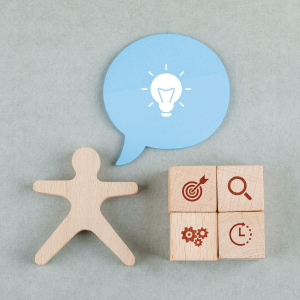
Intercultural communication means adapting tone, directness, hierarchy, and participation so messages land clearly. Each culture has its own grammar of respect and disagreement, so navigating differences requires skill, not intuition. Participants learn to adjust their style without losing authenticity. With simulations and role plays, they practice creating clarity across languages and cultural norms.

Adaptability is staying calm, clear, and flexible in complex multicultural environments. Multilingual companies operate with different expectations, time rhythms, and speeds of work. Participants learn to manage uncertainty and respond constructively to cultural differences. Through systemic and embodied methods, they build the resilience needed to work across borders.
Decision-making varies across cultures: some expect consensus, others direction, and many operate in between. These differences impact speed, clarity, and trust within global companies. Participants learn how cultural values shape authority, priorities, and the meaning of “yes”. Through mapping exercises and real-case simulations, they co-create decision-making practices that work across cultures.
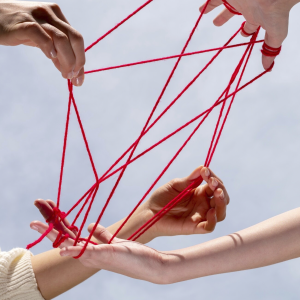
Embodied awareness helps participants connect with their physical presence and understand how culture influences posture, gesture, rhythm, and interaction. By working through movement, teams develop sharper perception and emotional regulation in multicultural settings. This embodied perspective increases clarity, supports better communication, and fosters a grounded way of relating across cultures.
Cultural mapping reveals the values, assumptions, and expectations that shape how people work, speak, and interpret situations. Through structured visual tools, participants identify cultural logics behind behaviours that often go unnoticed. This clarity reduces bias, opens dialogue, and improves collaboration in diverse environments, enhancing both understanding and alignment.
Guided dialogue creates a structured space where participants explore cultural perspectives with curiosity and respect. It helps teams slow down, ask clearer questions, and understand each other’s reasoning without judgement. This approach deepens connection, prevents misinterpretations, and strengthens collaboration across languages, personalities, and cultural styles.
Story-based learning uses narratives, metaphors, and real scenarios to illuminate cultural patterns and communication styles. By discussing stories, teams recognise similarities and differences in how they interpret behaviour and intention. This method increases empathy, builds cultural sensitivity, and supports more effective teamwork across borders.
Experiential practice allows participants to test new behaviours, experiment with communication styles, and reflect on cultural habits in real time. Through creative tasks and hands-on challenges, teams discover practical ways to adjust their interactions. This process builds confidence, adaptability, and intercultural agility for everyday collaboration.
Sensory activation invites participants to use perception, intuition, and non-verbal cues as tools for intercultural understanding. By working with sound, colour, texture, and movement, teams expand their ability to read subtle signals. This heightened awareness improves decision-making, emotional intelligence, and relational fluency in multicultural contexts.
To provide the best experiences, we use technologies such as cookies to store and/or access device information. Your consent to these technologies allows us to process data such as browsing behavior or unique identifiers on this site. Withholding or withdrawing consent may negatively affect certain features and functions.